DIY Electric Turbojet
HARDWARE2023-11-12
The Idea
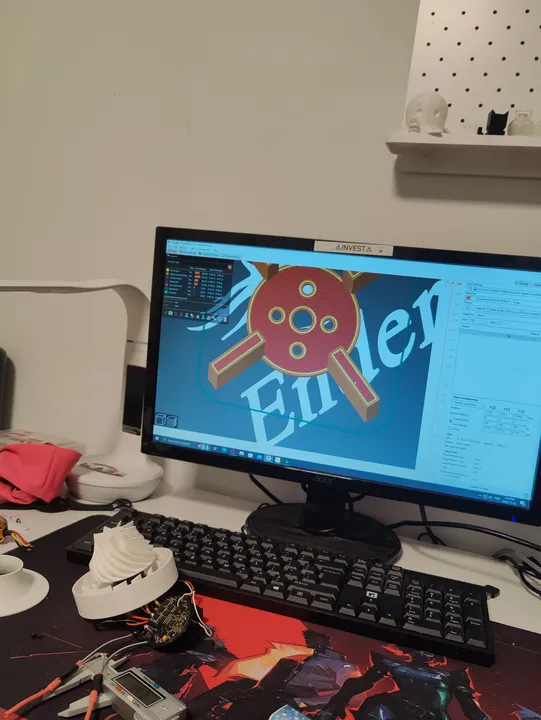
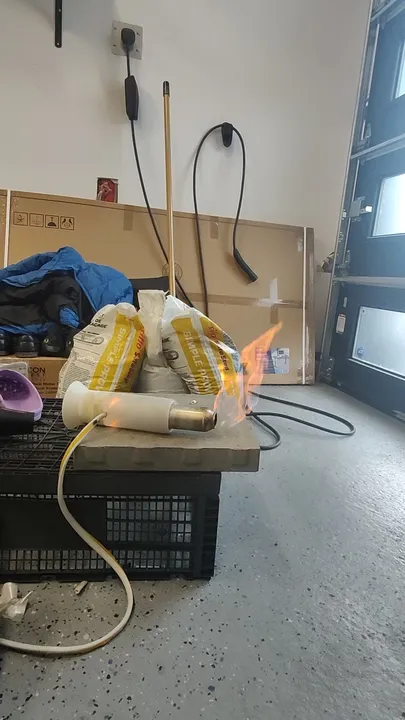
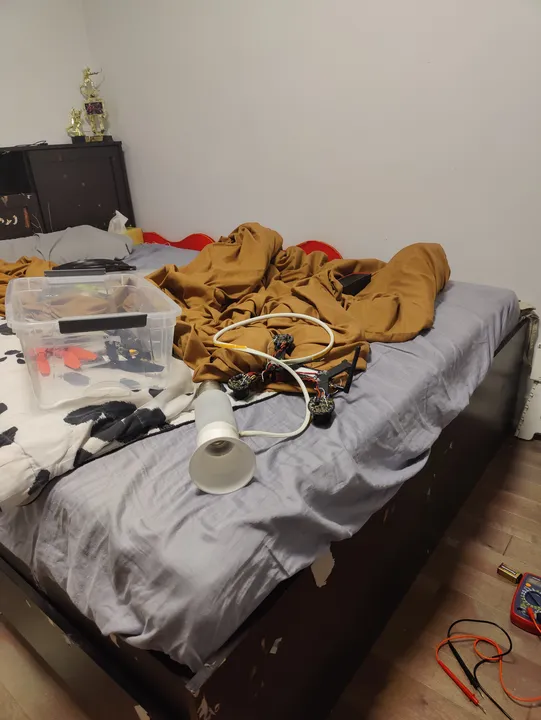
I tried to build a small jet engine using a mix of electric power and real fuel. I used a high-speed drone motor to spin a 3D-printed fan (impeller) to push air into a steel combustion chamber. The idea was to spray fuel in, light it, and get some thrust.
What Went Wrong
It didn’t work.
- Material failure: The 3D-printed plastic parts melted almost immediately from the combustion heat.
- Thermal stress: The ceramic fuel tube shattered from rapid heating.
- No thrust: I got smoke, loud noise, and a fire that escaped the combustion chamber.
Lessons Learned
Plastic and jet engines are incompatible. This proved that building a real jet engine requires materials designed to withstand high temperatures (like high-temp alloys) and precise manufacturing capabilities beyond what I have in my garage. I’ve shelved this project until I can access better materials and machining tools.
Built at 14 years 8 months